

The Big O
I'm obsessed with Omachi sakes

I’ve unwittingly joined a club.
It’s small.
We’re all a bit geeky.
The focus of our fandom is minuscule — the size of a rice grain. In fact, it is about rice. We’re called Omachists, and the object of our affection is Omachi sake rice.
Conversations about wine preferences often center on grape varieties. I like Chardonnay. I’m into Pinot Noir, not Cabernet Sauvignon. Some sommeliers organize their wine lists by grapes. In blind tasting situations, identifying the variety is key.
In sake, however, rice varieties take a backseat in determining style. Sake relies on method to convey qualities, whether it’s how much a rice grain is polished, if alcohol is added or not, or how to activate the fermentation starter.
That doesn’t mean that rice types don’t play a role. Sakamai is the general term for sake rice, as opposed to eating rice. Grains contain a starchy center that’s easy for koji to penetrate; have low levels of proteins, lipids, and other compounds that interfere with fermentation; absorb water; and have a firm exterior that withstands milling.
But compared to the number of wine grapes in the world, there are far fewer sakamai types — about 120. Yamada Nishiki, Gohyakumangoku, and Miyama stand out as reliable backbones of high-quality sake, accounting for a large percentage of sake production. I’m hearing about farmers reviving forgotten rice strains or exploring rice native to different prefectures. But in general, the sake industry relies on a few heavy hitters.
All that being said, I find myself drawn to sakes made from one particular rice: Omachi. Most sake rice varieties were cross-bred based on their desirable traits. Omachi, however, is an heirloom variety, meaning it’s one of the few unadulterated rices used for sake making.
Omachi was discovered in 1859 in Okayama Prefecture, where it predominantly grows today. In terms of volume, it’s the fourth most-planted variety, but at 3.2% of total rice grown, that’s not saying much. By comparison, Yamada Nishiki constitutes 36.4%, Gohyakumangoku 18.5%, and Miyama at 5% of total volume.
It’s a finicky rice to cultivate; it grows tall, meaning it is susceptible to wind. Once a stalk falls over, it’s unusable. In the brewery, its relatively high protein content poses a challenge for brewers. As a quick recap, the fermentation process needs carbohydrates to convert to sugar, which then turns into alcohol. Too much protein in the grain means fewer available carbs.
Despite its drawbacks, about 60% of sake rice varieties grown in Japan were originally cross-bred with Omachi, thanks to its distinct profile. A whole constellation of sake rice types stems from this one variety.
More and more, I find myself drawn to Omachi sakes. They display depth and earthiness, rather than floral qualities. They also have a textural quality that’s hard to define; it’s a presence on the palate that I don’t get from other sakes. To me, Omachi exudes personality.
Writing about it will only do so much. You need to taste for yourself to understand. Here are three Omachi sakes to try. Who knows, pretty soon I might be saying, “Welcome to the club.”
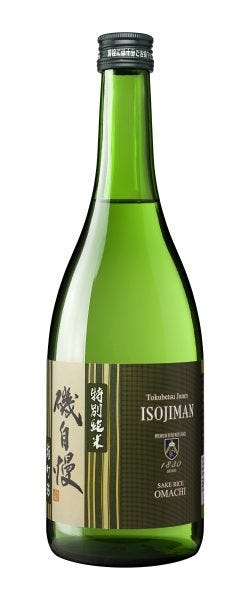
Isojiman ‘Omachi 53’ Tokubetsu Junmai Sake, Shizuoka Prefecture
This is the brewery that sent me down the Omachi rabbit hole, and I am now obsessed with every single sake they produce. Find it here
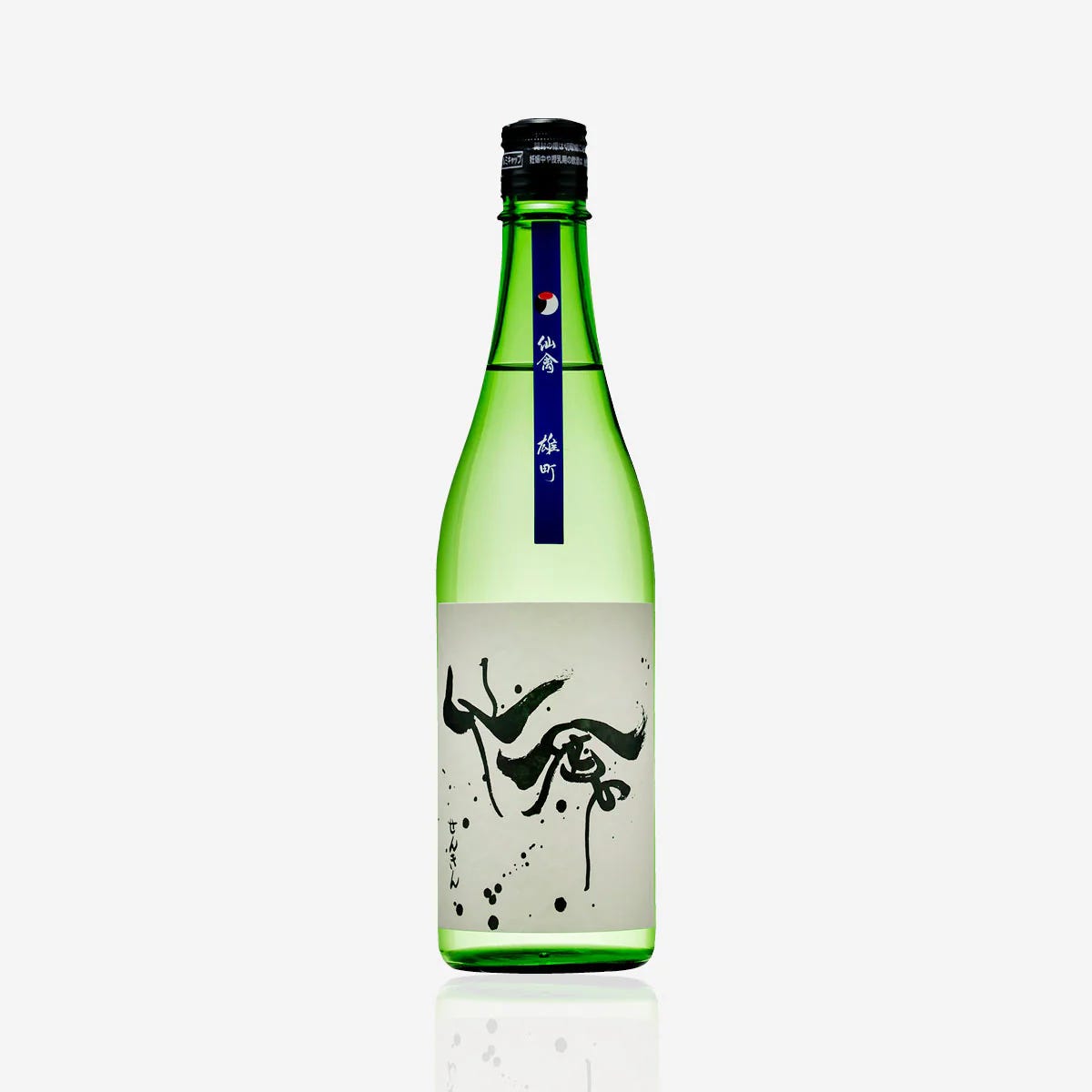
Senkin “Modern” Omachi, Tochigi Prefecture
I visited this brewery in 2019 and adore the house style. The brewer, who fell in love with wine while living in Tokyo, brings a vinous, high-acid quality to all of Senkin’s sakes. Find it here.
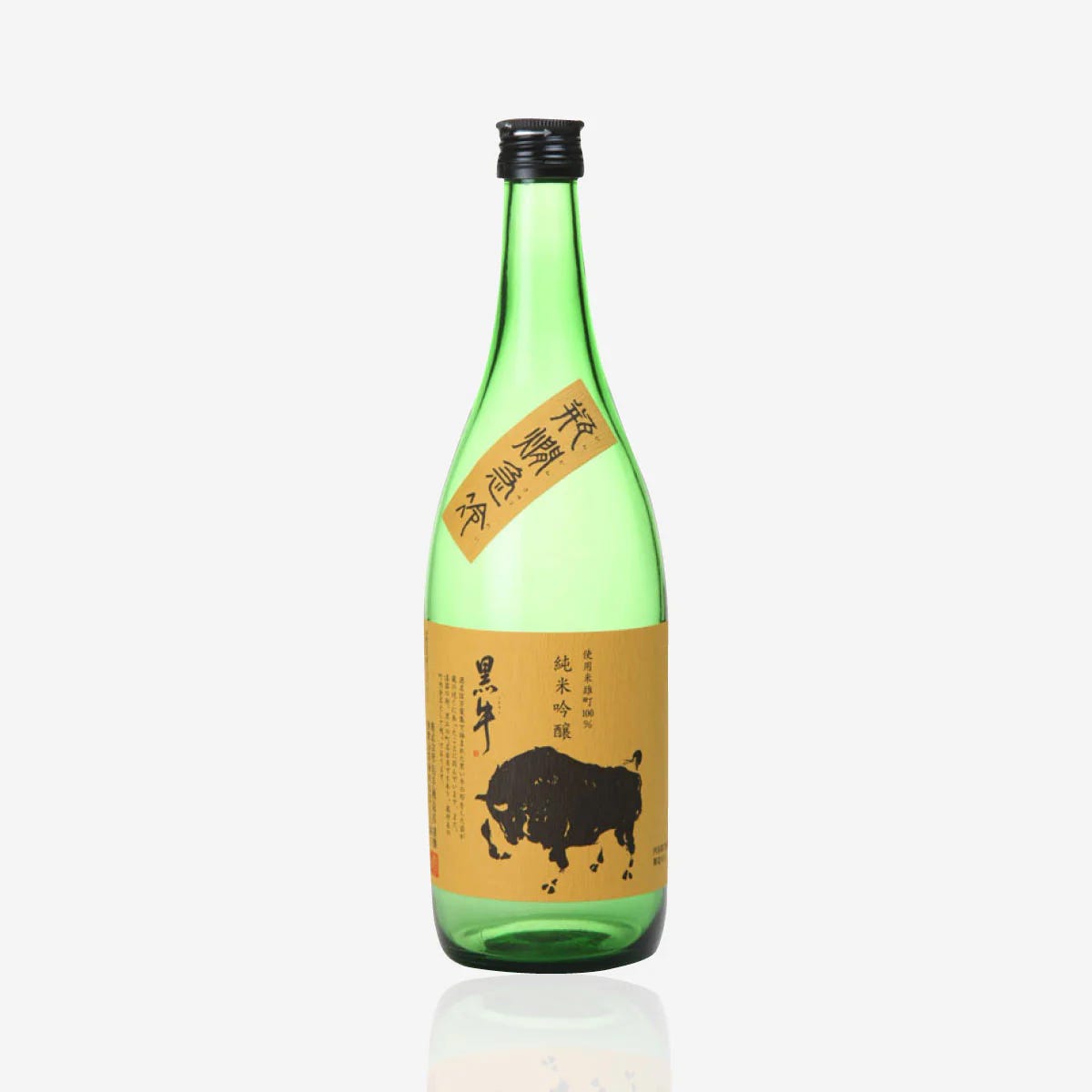
Kuroushi Junmai Daiginjo, Wakayama Prefecture
This sake had a nice weight to it with a robust rice-y flavor. Find it here.
I’ve been delving a little bit more into sake… I will have to dig into this particular rice